Top Ten Books of 2020, as ranked by Ellie and Gretchen
Although this year has been pretty dreadful, one of the benefits of lockdown is the extra time to read! We've each ranked our Top 10 Books of 2020 below, including a description as to why we chose what we did.
Ellie's Top 10 Books
 1. Educated by Tara Westover

My favorite book of 2020 goes to Educated by Tara Westover. It honestly ranks in my top 10 books ever -- Westover took the reader so skillfully through the challenges and trials of growing up in a strict and oftentimes abusive Mormon family in Idaho. I was so impressed with the author's ability to articulate her familial trials and tribulations, including her relationship with her survivalist father. Growing up in suburban Massachusetts, I've had utterly no experience with the Mormon culture, especially the most extreme sects. Westover was able to educate me on both her life and her escape from her family. Her story of persevering through college and graduate school was inspirational and eye-opening. This is definitely a book I'll be coming back to once I'm through college, as Westover's words about finding yourself and discovering your path in life are enduring and inspirational.
 2. Circe by Madeline Miller

Pivoting away from Mormonism, my runner up for 2020 goes to Circe by Madeline Miller. I've always loved Greek mythology (Percy Jackson, my first love) so I was delighted to discover this more mature tale of Greek gods, goddesses, and magic. Circe follows the goddess Circe (obviously), a witch who was exiled from her home for practicing magic and turning a mean girl into an ugly squid. Circe was an engaging character to follow, especially during her love affair with Odysseus (and his son. ew.). I thought that Miller did an excellent job of creating developed characters with distinct personalities without taking too many personal liberties. Her descriptions of the island that Circe was exiled to were lush and vibrant, and I could almost feel as if I was on the island. Miller's portrayal of Circe as a goddess with human emotions was moving. From Percy Jackson to Circe, Miller has only increased my love of Greek mythology.
3. Say Nothing by Patrick Radden Keefe 
Third place goes to Say Nothing by Patrick Radden Keefe. The book follows the Troubles of Northern Ireland (or Ulster, depending on who you ask). Specifically, the book is an investigation into the murder of Jean McConville, mother of 10 children, who was taken from her bed and never heard from again. The book also follows sisters Dolours and Marian Price, two revolutionaries who had a considerable impact on the war. Keefe does an excellent job of laying out the convoluted history of the Troubles, and especially in dealing with the "ending" of the war (which wasn't really an ending). Although the book could be dry at times, Keefe's ultimate discovery of who murdered Jean McConville kept me progressing. I was so surprised by how little I actually knew about the Troubles. We've never learned about it in school, so I feel a bit better about my stature as a stupid American now that I've learned a bit more about another country's dark past. Highly recommend Keefe's profound book about death, honor, and religion in Northern Ireland. 
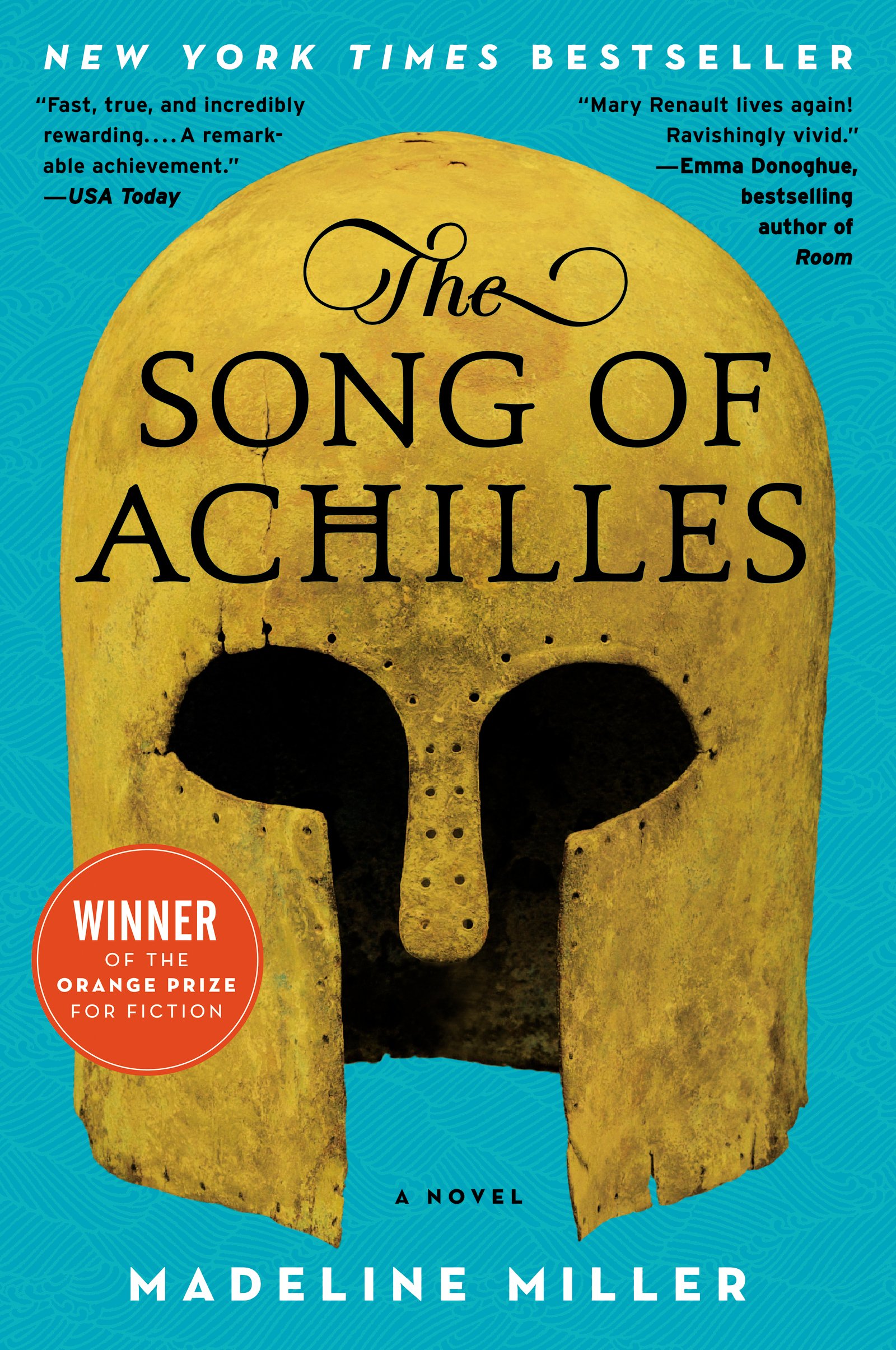
4. The Song of Achilles by Madeline Miller
Immediately after finishing Miller's other novel Circe, I hopped on Goodreads and discovered, to my delight, that Miller had written another mythological tale. The Song of Achilles follows a young prince named Patroclus who develops an intense bond with legendary warrior Achilles. The book is heartwrenching and riveting, and I loved it so much that I bought my own copy. Miller expertly crafts a compelling bond between Patroclus and Achilles, who are both well-developed characters. I've ranked this lower than Circe because I felt like I could identify more with Circe rather than Patroclus, but Miller has demonstrated that Circe was just the tip of her creativity iceberg. It speaks volumes that both Gretchen and I have this high up on our list. I'll definitely be reading this again in 2021.

5. The Perks of Being a Wallflower by Stephen Chbosky
Out of all the books I've read this year, Chbosky's incredible novel has definitely had the longest-lasting impact on me. I read this in about ten hours, and as soon as I finished, I flipped back to the beginning and read it again. Chbosky's satirical novel follows Charlie, a freshman in high school, as he navigates the puzzling world of teenagedom. The novel was incredibly well-developed, with Chbosky slowly adding bits and pieces of Charlie's messed-up childhood into the fray until the climactic ending. The book addresses themes common in adolescence, such as sexuality, drugs, and mental health. In fact, this book was banned from many schools for its mature content, although I was not put off by much of it. Chbosky did such an excellent job of making the characters relatable but not cliché. I highly recommend this book (and the 2012 film, starring Emma Watson!)

6. Midnight in Chernobyl by Adam Higginbotham
I was inspired to read Midnight in Chernobyl after watching the truly striking HBO mini-series Chernobyl. Higginbotham did a great job of taking the reader through the story of the Chernobyl disaster without getting too caught up in the weeds of nuclear science. The book was well-researched, and it included real interviews with many of the people involved in the disaster. I was actually shocked that a non-fiction book could be so much fun to read.
7. Catch and Kill by Ronan Farrow
 Catch and Kill was a shocking, gripping, and at times disgusting, exposé of Harvey Weinstein's sickening instances of sexual assault, rape, and predation upon women. Farrow's astonishing novel helped spark the #MeToo movement and brought to light a disgusting number of other men, including Matt Lauer, who have since been accused of multiple instances of sexual assault. The story follows Farrow as he spent years chasing the story of Weinstein's decades of sexual abuse, and the various lengths that Weinstein went to in order to hide his wrongdoing. Farrow initially brought the story to NBC News, where top executives worked to kill the story because of their involvement with the Weinstein corporation. Farrow then took the story to The New Yorker, where it was exhaustively vetted and fact-checked until there could be no doubt that Weinstein is a wicked, depraved, and disgusting man. Thanks to Farrow for launching a worldwide movement dedicated to ousting these repulsive men.
8. Gone Girl by Gillian Flynn
The only "thriller" on my list this year is Gone Girl, Gillian Flynn's riveting and engrossing novel. Flynn's story follows Amy and her husband Nick as they move to a small midwestern town to take care of Nick's mom. Amy goes missing after a short time at their new house, and the story follows Nick's quest to find her (even though he is a suspect). The story is written from multiple points of view, including Amy, Nick, and Amy's diary. I found this change in narrator especially interesting because frequently their stories did not match, and it wasn't until the absolutely CRAZY ending that the reader was able to find out the truth at last. Flynn was able to expertly craft a total sociopath without giving the readers a clue about how the book would end -- it was unpredictable and twisted, and I loved this book.

9. The Daughter of Time by Josephine Tey
This is one of those books that is so ridiculously good that I'm honestly mad at Goodreads for never recommending this to me. Widely hailed as Josephine Tey's best novel, The Daughter of Time follows Inspector Alan Grant, who, after taking a bit of a tumble, is consigned to lying on his back in a hospital bed. With help from a local research student, Grant is able to solve the murder about whether or not Richard III really killed his nephews, or whether it was a slander campaign run by Henry VII. I won't spoil it, but Tey's novel is easily the best murder mystery I've ever read, and the case happened 600 years ago. Shout-out to Gramps for recommending this to me! (*side-eyes goodreads*)
10. Mr. Penumbra's 24-Hour Bookstore by Robin Sloan

Last but certainly not least, we have Mr. Penumbra's 24-Hour Bookstore. To say I'm obsessed with this book would be an understatement. I've read this at least three times, and each time I'm captivated by Sloan's compelling descriptions of the characters, the hilarious and often satirical quest that they embark on, and the well-developed relationships that don't seem too contrived or cliché. This book is a stalwart of my bookshelf, and I think it's definitely underrated.
Gretchen's Top 10 Books
 1. A Room with a View by E.M. Forster
This was my favorite book of 2020, and I loved it so much that I read it in January and I'm still thinking about it eleven months later. I knew I had to read it after reading one of Forster's other famous novels, Howards End, last year, and I wasn't disappointed. I loved this book because it's beautiful and comforting in every possible way. It's full of gorgeous language typical of Forster and nuanced, well-crafted characters. The romance is both a slow-burn and fast-paced and more scandalous than the typical period romance without being dirty, showing that a beautiful love story doesn't need to be showy and full of crazy twists and turns. There's so much symbolism and commentary on Edwardian society that even I had to read the SparkNotes. The relaxed pacing has earned it a place in my list of favorite comfort reads. I not only recommend this book but also the fantastic 1985 movie, which will make you love it more.
2. The Song of Achilles by Madeline Miller
Both of us ranked this book high on our lists, which should prove how good it is. I also love Greek mythology, and this book turns what could be the potentially bland and war-filled story of Achilles into a riveting tale filled with romance and vivid imagery. Although I didn't love this as much as Circe, which I read last year so it can't be included on the list, it comes pretty darn close. I'm not very interested in the actual battles of the Trojan War, and so I enjoyed that this book focused more on Achilles' life and relationship with Patroclus. I can't wait to see what Miller releases next, because I'm sure her third novel will be just as amazing as her first two.
 3. The Secret Lives of Color by Kassia St. Clair
This was hands-down the best nonfiction I read all year, and one of the easiest-to-read nonfiction books I've read. I picked this up at the Isabella Stewart Gardener Museum in Boston back in March, right before everything shut down, and I read it in one day while sitting on my porch. It's organized into chapters by color, and every page has a different shade and explains the historical context of the color in question. True, some of the "colors" aren't really colors at all (e.g. avocado), but each page provides a fascinating insight into just how much colors mean to human society. This was a nonfiction unlike any other in subject material, organization, and style. A bonus recommendation is St. Clair's second book, The Golden Thread, which is similar in style, only it's focused on fabric and textiles.
 4. A Handful of Dust by Evelyn Waugh
No "best books of the year" list would be complete without something by Waugh. He's written some of my favorite books of all time (Brideshead Revisited) and many fantastic short stories. Waugh originally wrote comical novels satirizing the British upper class in the 1920s, but by World War II his themes had become more serious, focusing on issues such as anti-Catholic prejudice and homosexuality. This novel falls in between those periods: it's not entirely the over-the-top caricatures of Vile Bodies and Decline and Fall, but it doesn't quite have the same solemnity of Brideshead either. While Brideshead longs for a society that can no longer exist, A Handful of Dust, published just before the war in 1934, can still poke fun at these people. It's incredible that a book can be both so tragic and so funny, and how Waugh can make you laugh at the questionable actions and horrific fates of his characters.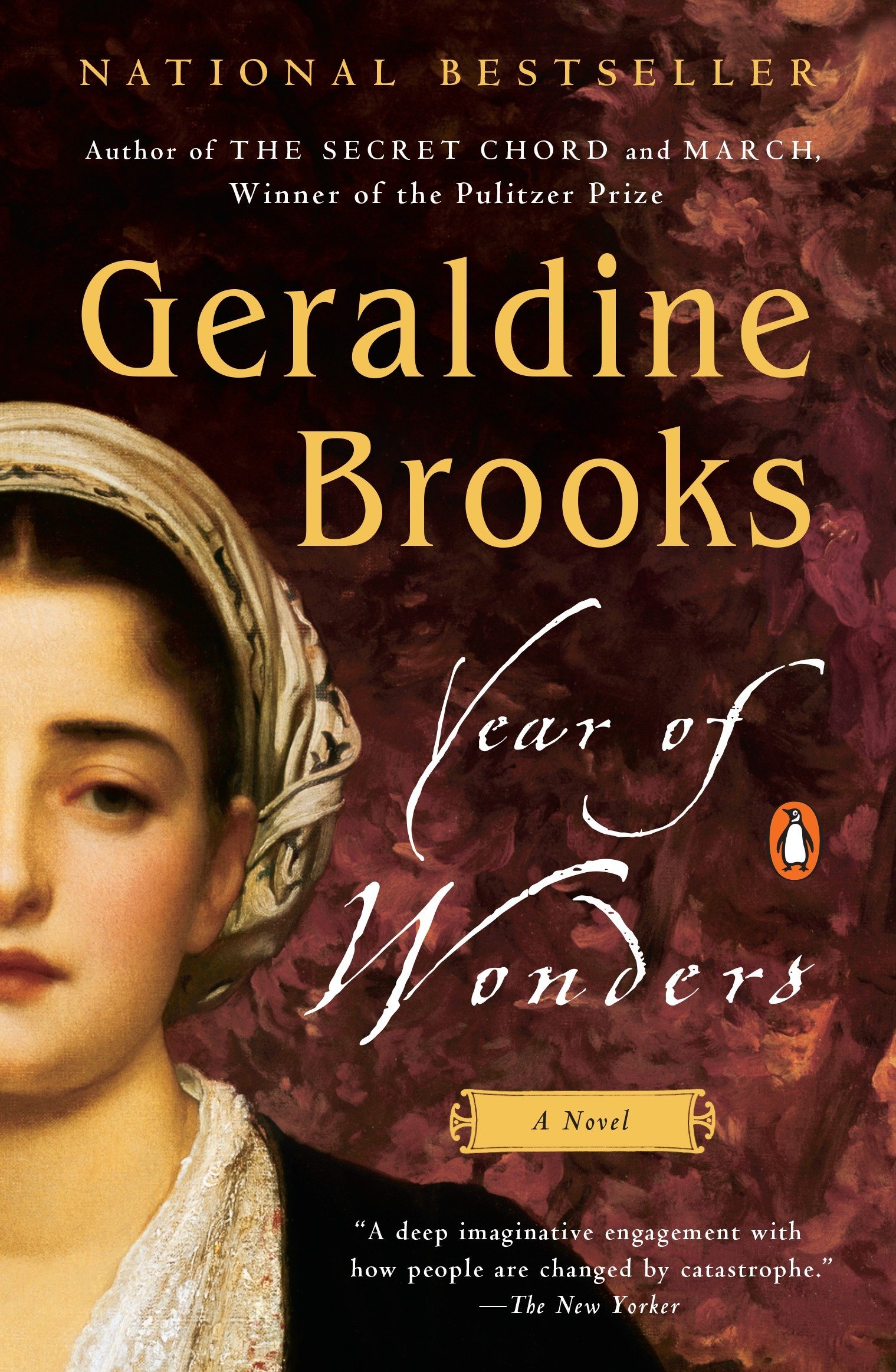 5. Year of Wonders by Geraldine Brooks
This is the ultimate pandemic read, as it's a semi-true account of what a small English village does when it's confronted with the crisis of the Great Plague that ravaged Europe in the 1660s. Somehow it's comforting to read about how this has happened before and find some humanity in how these people dealt with it. The subplot is also captivating, with many romantic and non-romantic twists. I definitely recommend reading it if it doesn't hit too close to home right now. A quick disclaimer: lots of people die, seeing as they didn't know what germs were and how diseases spread.
 6. The Importance of Being Earnest by Oscar Wilde
I don't usually read plays unless it's Shakespeare, but this one can't be missed. It isn't a long read, but it's packed full of hijinks and hoodlums that make it immensely amusing. In true Oscar Wilde style, the title is even a pun (one of the central plot points involves being called Ernest). This could not be more different than A Picture of Dorian Gray, so don't be worried about reading Wilde. Overall I loved this book because it was purely fun and clever.
 7. The Languages of Flowers by Vanessa Diffenbaugh
This was something that was recommended to me, and I loved it. Combining the story of a stubborn and traumatized orphan with the Victorian language of flowers, in which every flower has a special meaning, doesn't seem like an obvious choice, but it works just as well together as the protagonist Victoria's flower arrangements do. In particular, the relationships between the characters are complex and really interesting to read about. 
8. Me Before You by Jojo Moyes
I was a little late to the game with this bestseller, but I absolutely loved this book (save for the controversial ending). Putting the final few chapters aside, this book was heartwarming, and the dynamic between the quirky Louisa and cynical quadriplegic Will is so much fun. In this book, even the side characters come alive, which is something that's common in a book by Moyes. This was probably the fastest I have read a book, and I stayed up almost all night to finish it. If you're willing to feel like your heart's being ripped out at the end, I recommend this (mostly) happy and charming book. 9. The Clockmaker's Daughter by Kate Morton
The book on this list I read most recently, this was the intersection of many of my favorite things: archivists, historical mysteries, old houses, folk tales, and scandal. Jumping from character to character and between several time periods, this book keeps you hooked all the way through. The characters help reveal some of the historical context, and all of them have very distinct and well-written personalities and character arcs. This is a great read when you don't feel like reading something that makes you think too hard.
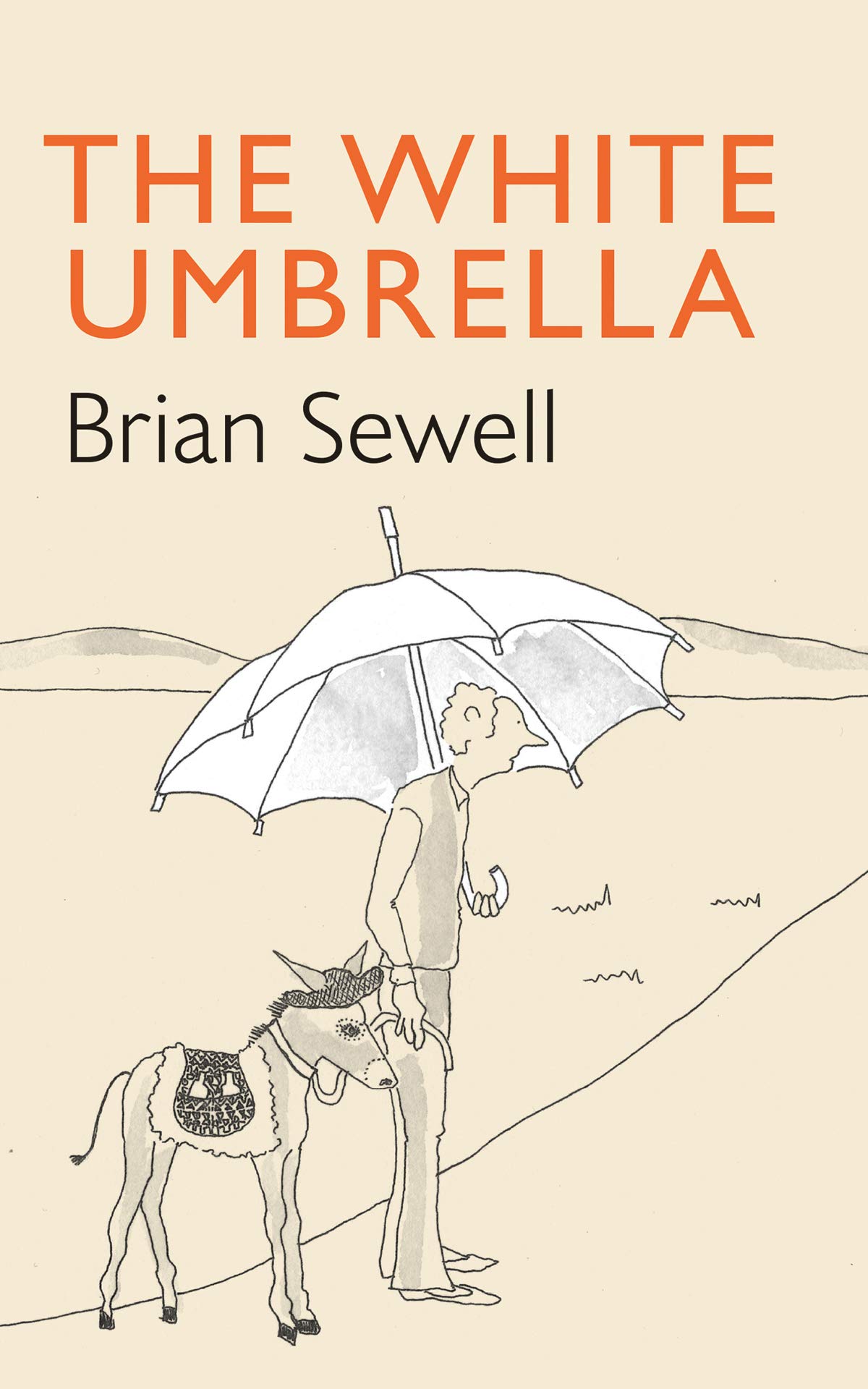 10. The White Umbrella by Brian Sewell
This was a random find at my local bookstore, and it was apparently the least popular book I read all year, according to Goodreads. It's very difficult to explain what this book is about because it's so simple: a British man brings a donkey home from Pakistan. Yet it's so much more, and the obstacles and unforgettable characters the almost nameless protagonist encounters create a surreal and calming atmosphere for the whole of this short book. Interestingly, it's also illustrated, and the images by cartoonist Sally Anne Lasson add a certain childish quality to it. It's one of the most unusual books I've ever read, and I don't think I'll ever come across anything like it again.


Comments
Post a Comment